
Montessori in San Antonio: Is It Right for Early Childhood?
Montessori can be a strong fit for early childhood, and San Antonio has several established programs. But it is not right for every child, and the word "Montessori" is not trademarked, so any school can use it whether or not it follows the method. For a family weighing Montessori against a more structured, classical model, the useful question is whether the approach matches your specific three-to-six-year-old, and whether a given school is the real thing.
What Montessori Is, and Is Not?
Montessori is often called play-based, but that undersells it. It is child-led within a carefully structured environment. Children choose their work from a prepared set of hands-on materials, move at their own pace during long uninterrupted work periods, and learn practical-life skills alongside early reading and math. Classrooms mix ages, usually in three-year spans, so a five-year-old learns beside younger and older children and often teaches what they have mastered.
What it is not: it is not free play, and it is not a room full of worksheets and whole-group drill. Independence and self-direction are the point, which is a feature for some children and a poor match for others. A Montessori guide, as the teacher is often called, sets up the environment and then steps back, intervening to introduce a material or extend a child's work rather than leading the whole class through a lesson.
Why the Method Works for Young Children?
The early-childhood years, roughly three to six, are when Montessori is most at home, and there is a logic to it. Young children are wired to learn through their hands and their senses, and the Montessori materials are built for exactly that: a child feels the roughness of sandpaper letters, builds numbers with beads, and pours and sorts to develop coordination and focus. The mixed-age classroom lets a child move at their own pace without being labeled ahead or behind, and the long work period builds the kind of deep concentration that is hard to develop in a bell-to-bell schedule.
The social and emotional side matters as much as the academic one at this age. Practical-life work, caring for the classroom, serving snack, and resolving small conflicts, teaches independence and responsibility that carry well beyond preschool.
Which Children Thrive in It?
Montessori tends to suit curious, self-directed children who focus well when they have some say in their work, and who are comfortable with independence. A child who craves clear whole-group structure, or who needs heavy adult direction to stay on task, may do better in a more traditional or classical setting. Neither temperament is better; they simply fit different rooms.
If you are weighing this directly against a structured model, our guide on choosing a structured versus play-based approach walks through the same decision from the other side.
Montessori Programs for Early Childhood in San Antonio
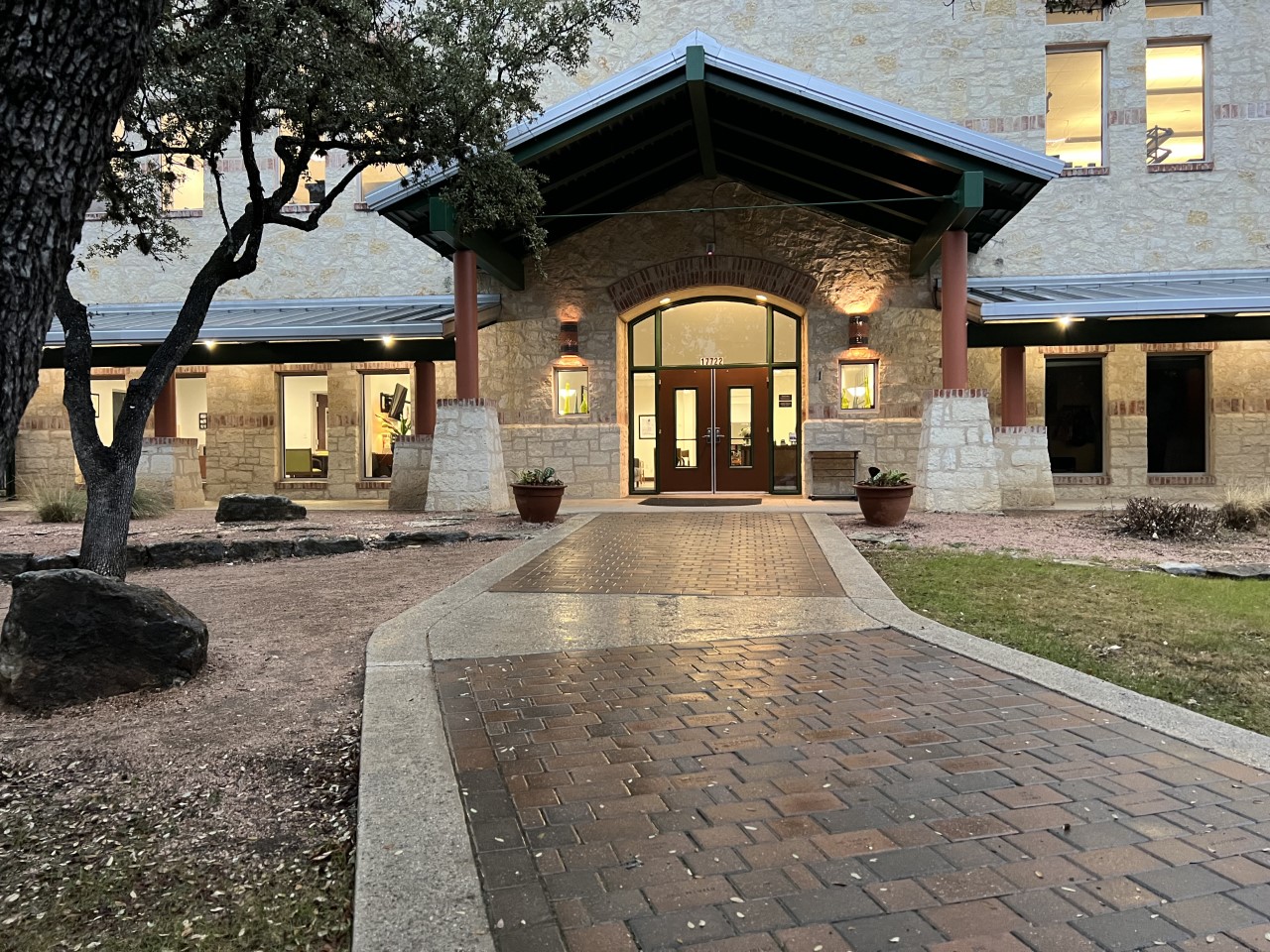
- Grades: Pre-K 3, Pre-K 4, Kindergarten, 1st grade, 2nd grade, 3rd grade, 4th grade, 5th grade, 6th grade, 7th grade, 8th grade
- Location: San Antonio, TX
- Tuition: $21,674
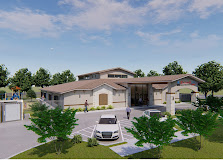
- Grades: Infant, Toddler, Pre-K 3, Pre-K 4
- Location: TX
- Tuition: $200
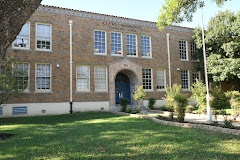
- Grades: Pre-K 3, Pre-K 4, Kindergarten, 1st grade, 2nd grade, 3rd grade, 4th grade, 5th grade, 6th grade
- Location: San Antonio, TX
- Tuition: $0
[SCHOOL CARDS: 2 to 3 established San Antonio Montessori programs serving early childhood, such as The Montessori School of San Antonio (Rogers Ranch), San Antonio Country Day Montessori (Uptown Central), and Montessori Children's House near the Medical Center. Show enrollment size, age or grade span (note where a program ends), neighborhood, credentialing, and the kind of family each fits.]
How to Tell Authentic Montessori From the Name
Because any preschool can call itself Montessori, vet the method directly on a tour. Ask whether teachers hold Montessori credentials from a recognized body such as AMI or AMS. Look for genuine three-year age groupings, a long uninterrupted work cycle rather than a chopped-up schedule, and the full set of Montessori materials in active use. A program that has the label but a conventional, bell-to-bell structure is not offering what you came for.
A few other signs of the real thing: children moving freely and purposefully rather than waiting to be told what to do, a calm and orderly room, and teachers observing and guiding rather than lecturing. Ask how the school handles a child who is struggling to choose or focus, since a strong Montessori program has a thoughtful answer rather than simply more free time.
What a Real Work Cycle Looks Like on a Visit
The best way to judge a Montessori program is to watch a morning work cycle in progress, not to tour an empty room after hours. In a strong classroom you will see children choosing their own work and settling into it for long stretches, moving purposefully to fetch and return materials, and working alone or in small self-formed groups. The teacher moves quietly among them, giving a short lesson here, observing there, rather than standing at the front directing everyone at once.
Notice the atmosphere. A genuine Montessori room tends to be calm and busy at the same time, with a low hum of activity rather than either silence or chaos. Children handle real materials, glass, wood, and tools sized for their hands, and they take care of the space themselves. If instead you see a whole group being led through the same worksheet, or free play with little structure, the program may be using the name without the method.
Montessori Beyond Age Six
Montessori is most associated with early childhood, but the method continues into elementary and beyond at some schools, with the same mixed-age, self-directed principles adapted for older children. If you love the approach for your three-year-old, it is worth asking early how far a program goes, because the answer shapes your next decision.
Many San Antonio Montessori programs end at kindergarten or lower elementary, which means choosing a new school sooner than you might expect. That is not a problem so long as you plan for it. Ask each program where its students typically go next and how it prepares them for that transition, whether into a traditional, classical, or continuing Montessori elementary. A thoughtful program treats that handoff as part of its job rather than leaving families to sort it out alone.
The Honest Trade-Offs
Authentic Montessori can build focus, independence, and a love of learning early. It can also make the move into a traditional, structured first grade an adjustment, and parents who want to see visible academic proof each week may feel uneasy at first, since the progress is often in the child rather than on a worksheet.
There is also the question of continuation. Some Montessori programs end at age five or six, which means another school choice sooner than you might expect, and a transition from a child-led room to a more conventional one. Ask each program how far it goes and how it prepares children for whatever comes next. A good program plans that bridge on purpose rather than leaving families to manage it alone.
Compare Montessori programs in San Antonio
Filter by age range and neighborhood, then save the programs worth a visit.
Explore Montessori schoolsQuestions Parents Forget to Ask
Beyond checking that a program is authentic, a few practical questions save families from surprises later. Ask about teacher continuity and turnover, since the guide's relationship with your child is central to the method and frequent staff changes disrupt it. Ask how the program handles a child who resists choosing work or drifts, because a strong Montessori classroom has a thoughtful answer rather than simply allowing endless free time.
Ask how the school communicates progress, since Montessori often measures growth in observation and mastery rather than weekly graded papers, and you want to know how you will actually see how your child is doing. Ask about the daily schedule and whether the long uninterrupted work cycle is genuinely protected, or whether it is chopped up by specials and transitions that undercut the method. And ask what the ratio of children to trained adults is, because a beautifully designed room still depends on enough skilled hands to guide it.
Finally, ask the question that trips up the most families: where do your students go next, and how do you prepare them for it? A program that thinks carefully about the transition out of Montessori is one that has your child's whole path in mind, not just the years they spend on its campus.
Book a Working-Morning Montessori Visit
Book a tour during a working morning, not after hours, so you can watch a real work cycle and see whether children are genuinely self-directed. Use School Path to filter San Antonio Montessori programs by your child's age and your neighborhood, save two or three, and visit them side by side. Watching the room in motion tells you more than any brochure about whether this approach fits your child.
See a real Montessori work cycle for yourself
Filter by age and area, save your top programs, and connect with them.
Tour Montessori programsFrequently Asked Questions
Is Montessori the same as play-based learning?
Not exactly. Montessori is child-led within a structured environment, sometimes called structured freedom. Children choose their work from precise hands-on materials and move at their own pace, which is different from open, unstructured free play.
What age is Montessori best for?
Montessori is most associated with early childhood, roughly ages three to six, when the mixed-age classroom, practical-life work, and self-directed materials line up well with how young children learn. Many San Antonio programs also continue into elementary.
How can I tell if a San Antonio Montessori school is authentic?
The name is not trademarked, so vet the method. Look for teachers credentialed through a recognized body like AMI or AMS, genuine three-year age groupings, a long uninterrupted work cycle, and the full set of Montessori materials in active use.
Will Montessori make the transition to traditional school harder?
It can be an adjustment moving from a child-led room into a structured first grade. Strong programs plan for this, so ask each school how it builds the routines and stamina children need for their next school, especially if the Montessori program ends early.
Which children do best in Montessori?
Curious, self-directed children who focus well with some choice and are comfortable with independence tend to thrive. A child who needs constant adult direction or clear whole-group structure may do better in a more traditional or classical setting.
How do I judge a Montessori program on a visit?
Watch a morning work cycle in progress rather than touring an empty room. Look for children choosing and settling into work for long stretches, purposeful movement, real materials, and a teacher guiding rather than lecturing. A calm, busy room with self-directed children is the sign of the real method.